
John L. Caskey and the Rediscovery of a Mythical Land
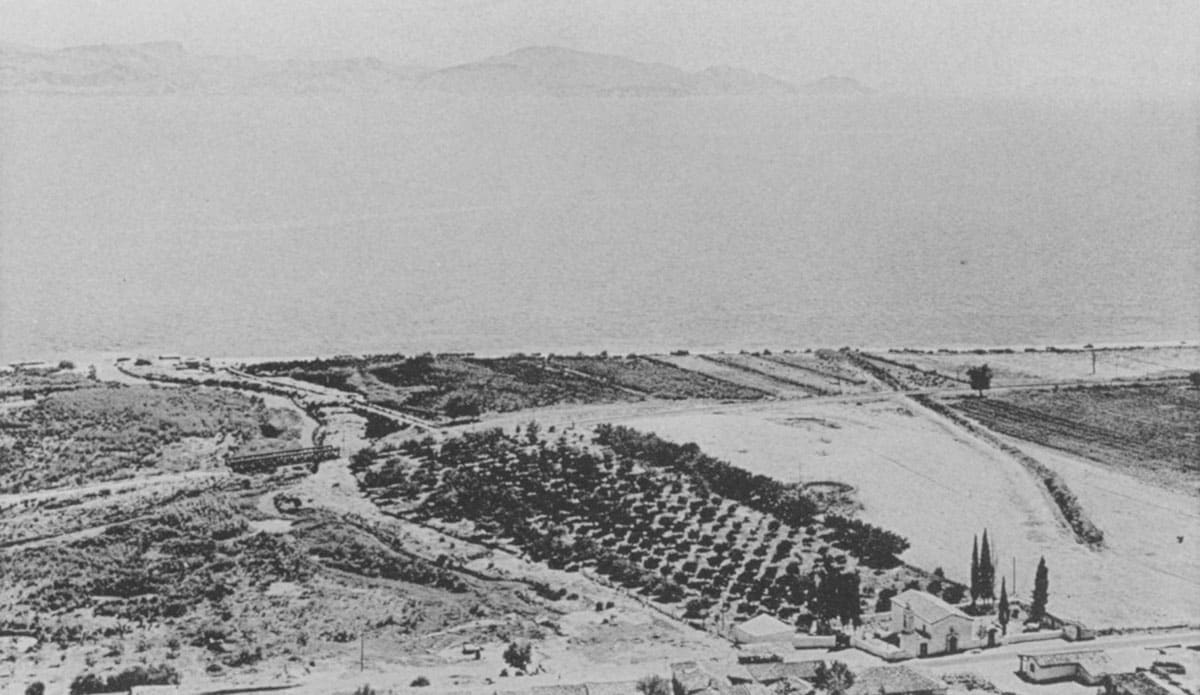
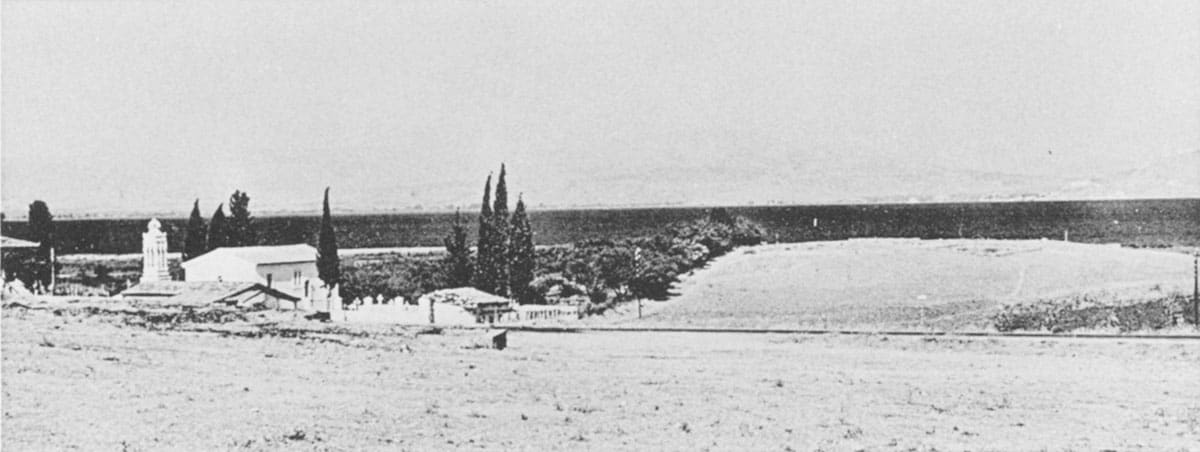
In the peaceful coastal village of Myloi, just steps from the shimmering Argolic Gulf, lies one of Greece’s most quietly profound archaeological treasures: Lerna. For centuries, its name was wrapped in legend—known as the lair of the fearsome Lernaean Hydra, slain by the mighty Herakles. But the real Lerna—its buildings, its people, its ancient heartbeat—lay buried beneath the earth. That changed in the 1950s, thanks to the work of one man: John Langdon Caskey.
A boyhood between Boston and Athens
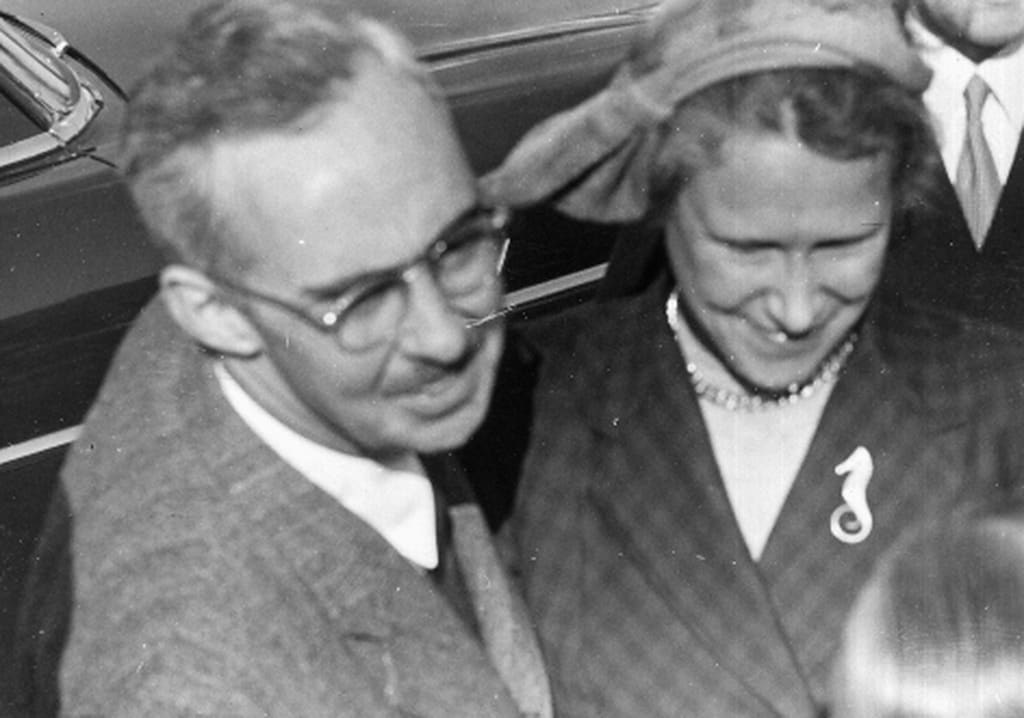
John Langdon Caskey, “Jack” to his friends, was born in Boston on 7 December 1908. Greece was in the family: his father, Lacey Davis Caskey, had been secretary of the American School of Classical Studies at Athens and from 1912 until his death in 1944 was curator of classical art at the Museum of Fine Arts in Boston. Jack’s mother died when he was a child. His godfather was Bert Hodge Hill, director of the American School in Athens, and he learned German during stays with his grandfather, a clergyman in Dresden. After some years at the Choate School he followed his father to Greece, where as a boy he was allowed to join the students of the American School on their excursions.
He studied at Yale (class of 1931) and then, on his father’s advice, went to the University of Cincinnati to work under the archaeologist Carl Blegen. Every summer from 1932 to 1938 he dug with Blegen at Troy, and in 1939 he received his doctorate with a study of one of the buildings of Troy VI.
Marriage, war and silence
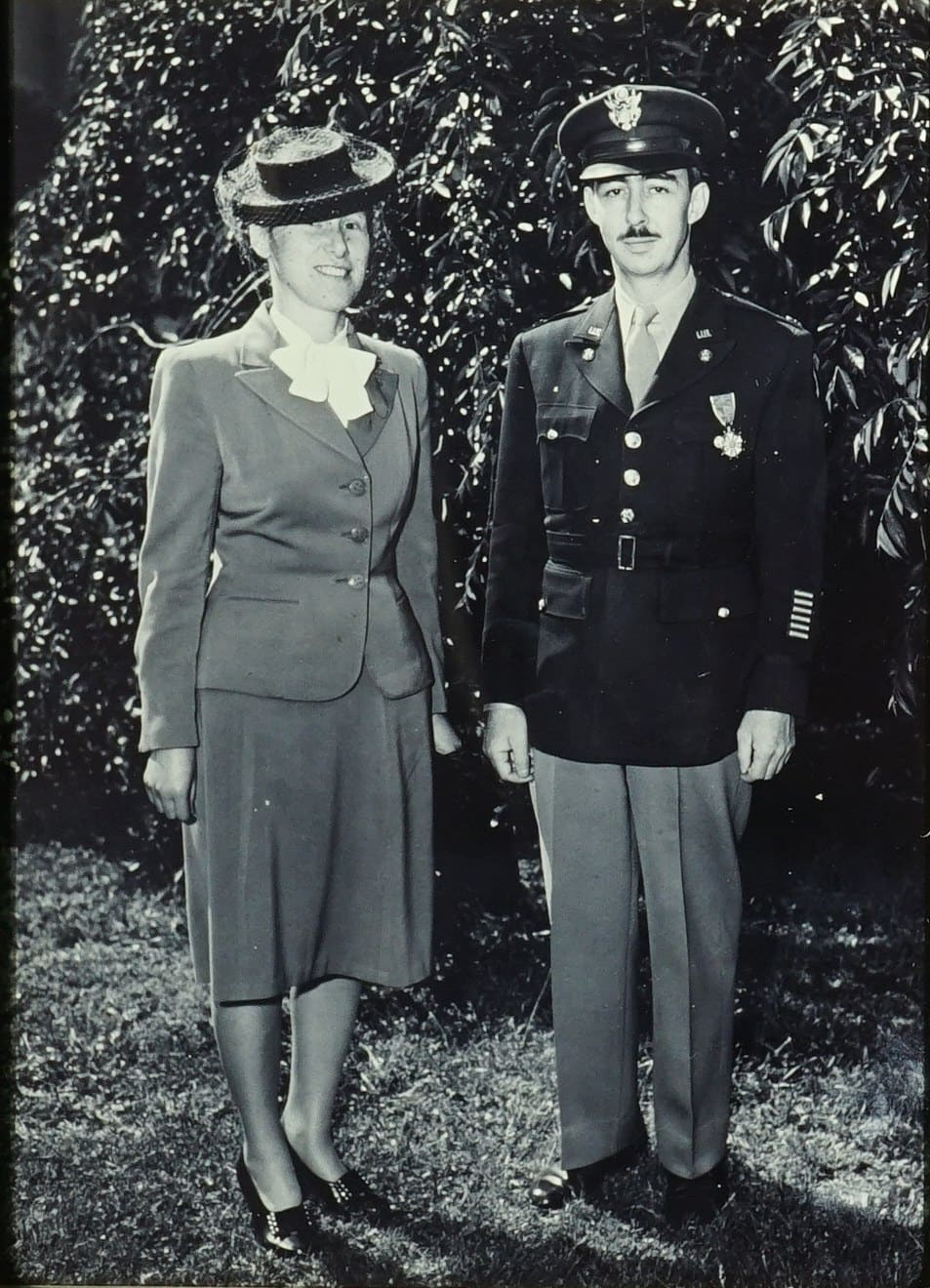
On 4 August 1936 Caskey married Elizabeth Gwyn, a Canadian classicist from Saskatoon who, like him, took her doctorate at Cincinnati in June 1939. During the Second World War he served with the Office of Strategic Services, the American intelligence service, in Izmir in Turkey, where he interviewed refugees and deserters. His German, Greek, Turkish, French and Italian proved invaluable. About this work he kept silent for the rest of his life.
Ten years at the head of the American School
In 1948 Caskey returned to Athens as assistant director of the American School, and on 1 July 1949 he became its director. He held the post for ten years, the longest term since Hill’s. When he stepped down, the School’s chairman praised his “lawyer’s clarity of vision and an indestructible good humor”. Elizabeth Caskey was the School’s librarian from 1948 to 1958.
Why Lerna?
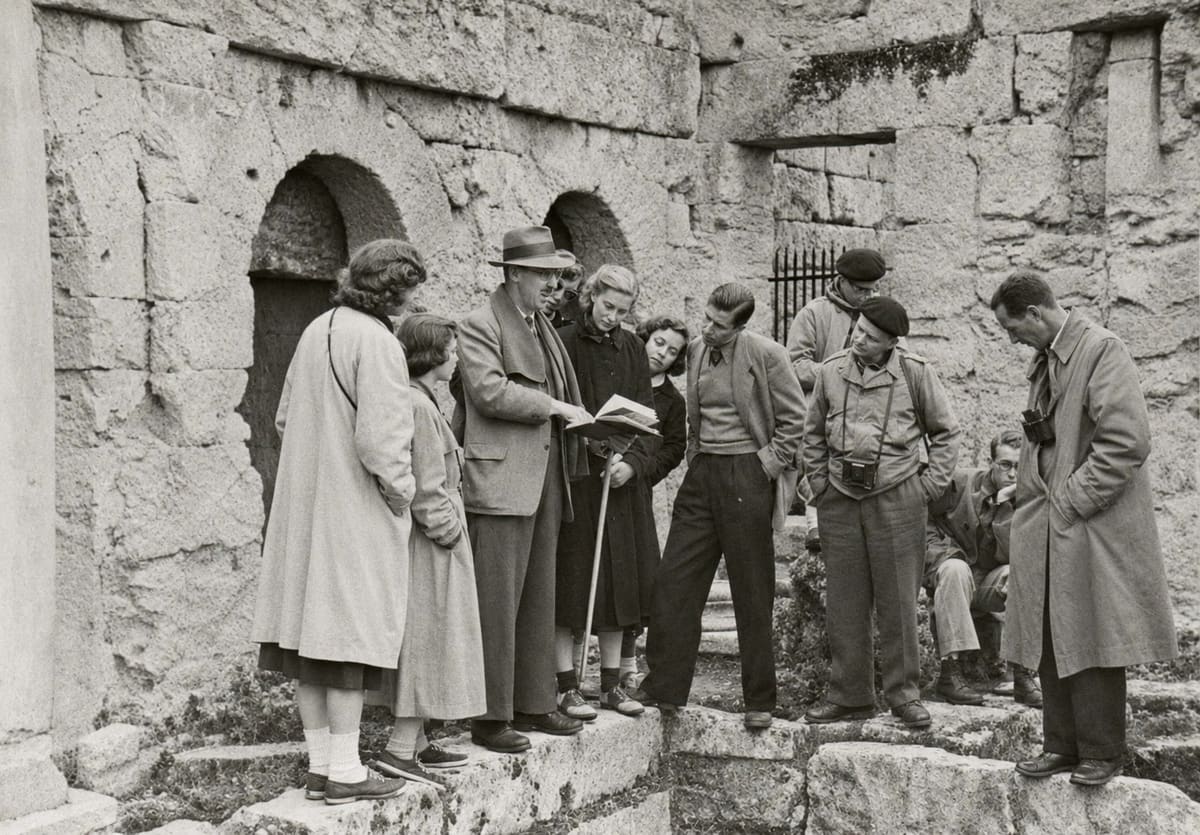
Lerna was not unknown. In the autumn of 1909 the German archaeologists August Frickenhaus and Walter Müller had recognised the low hill by the springs as a prehistoric settlement from the potsherds on its surface, and the railway cutting of 1891–92 and gun positions of the Second World War had laid open its layers. But nobody had ever dug there. Caskey was looking for exactly such a place: an “unpretentious village site like the one at Myloi”, as he wrote in 1953, where generation after generation had left its traces, and which could clarify the chronology of the earliest periods of mainland Greece.
So in 1952, Caskey began to dig.
Over six excavation seasons, from 1952 to 1957, followed by a short supplementary campaign in June 1958, he uncovered far more than anyone expected. Layer upon layer revealed a settlement going back to the Neolithic period—more than 6,000 years ago. The most astonishing find was the House of the Tiles, a large Early Bronze Age building roofed with baked clay tiles, suggesting administrative or possibly even political power.
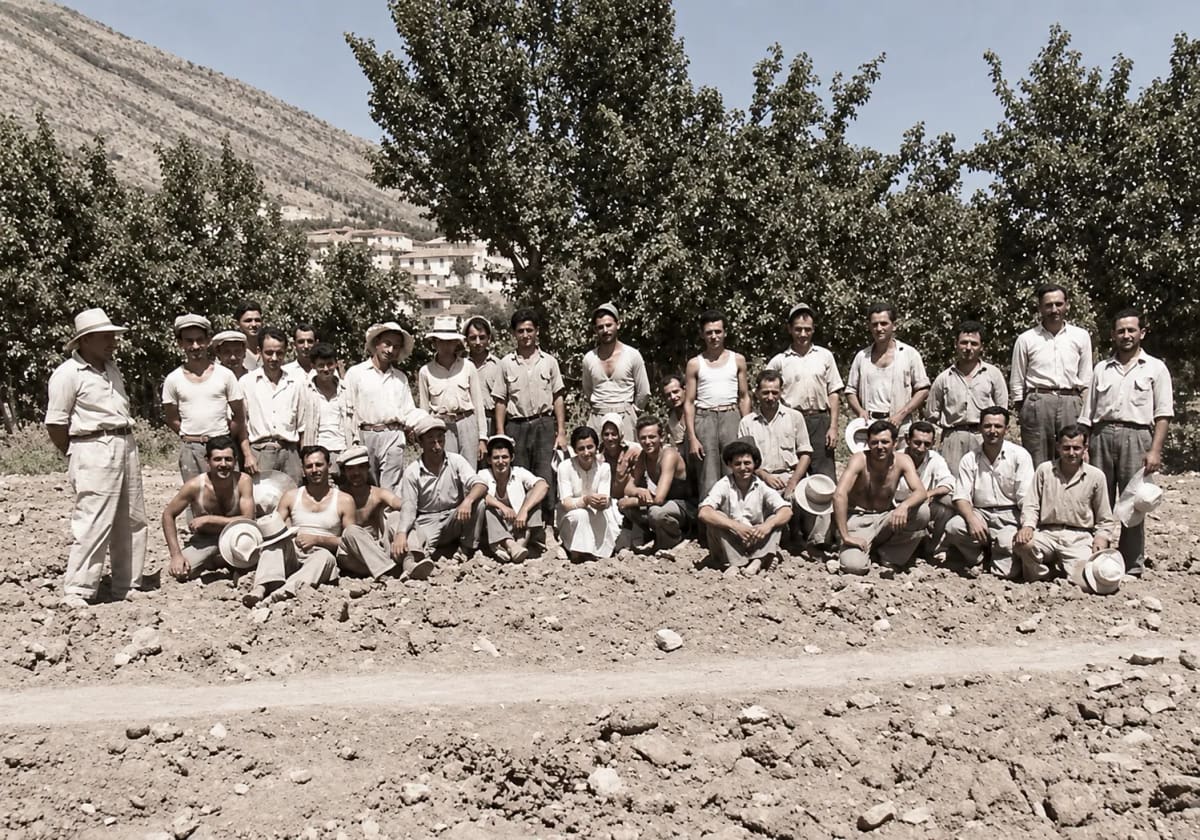
Caskey was not alone. Elizabeth excavated parts of the site herself, including areas around the House of the Tiles, and Greek archaeologists of the Archaeological Service worked with the team. From 1954 to 1957 the Caskeys and their staff spent the summers living in Myloi, in two small rented houses at the edge of the village, without electricity or running water; a donkey and its driver fetched water from the spring.
Honorary citizen of Myloi
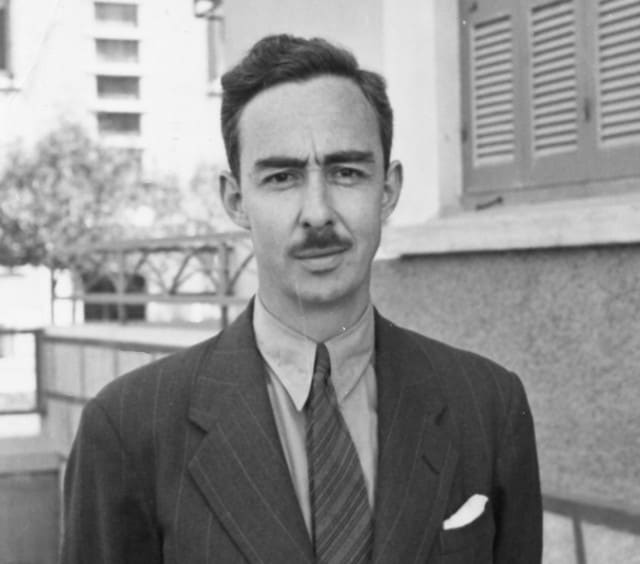
On 30 June 1959 the community council of Myloi unanimously declared Caskey an honorary citizen, for his services to culture and to the village. Two days later, on 2 July 1959, he handed the excavated site over to the Greek Archaeological Service. He kept coming back to Lerna for many years after the excavation ended; his last visit to the Argolid was in 1980.
Cincinnati, Kea and a second marriage
In 1959 Caskey returned to the University of Cincinnati as professor and head of the Department of Classics, which he led until 1972–73. With Elizabeth he had already carried out a short excavation at Eutresis in Boeotia in 1958. From 1960 to 1968 he directed the excavations at Ayia Irini on the island of Kea, and he went on leading the study and publication of the finds for the rest of his life. His marriage to Elizabeth ended in the mid-1960s; in June 1967 he married the archaeologist Miriam Ervin, who studied the temple at Ayia Irini.
The man behind the trenches
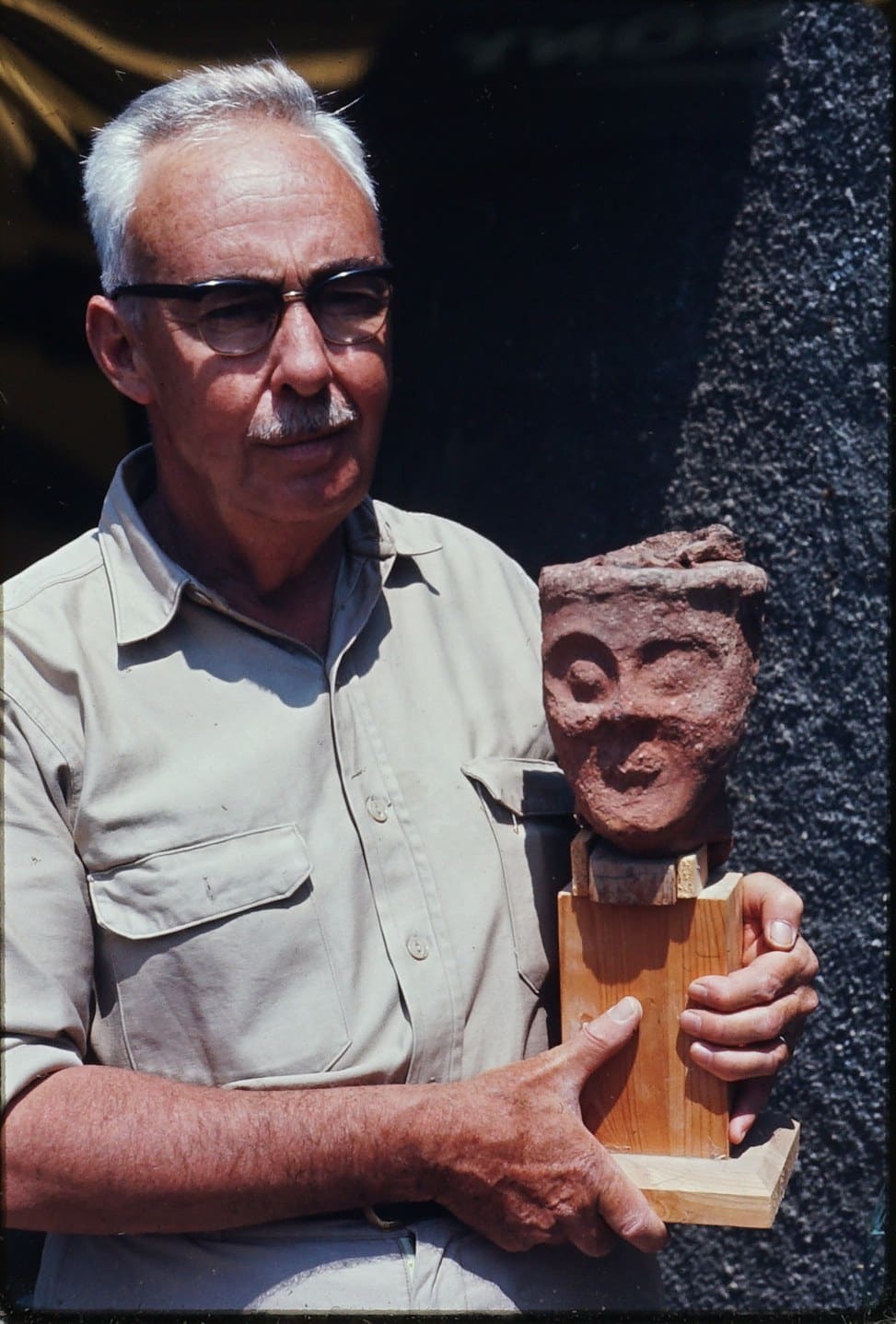
Caskey was not just a scientist cataloguing artefacts. Colleagues remembered his humour, his gift for languages and his rule of “first the evidence, then the interpretation”. He believed that archaeology should connect us with the lives of ordinary people from long ago, and his work at Lerna told a story that spanned thousands of years, from the first farmers to the dawn of Mycenaean civilisation.
In 1980 he received the Gold Medal for Distinguished Archaeological Achievement of the Archaeological Institute of America and was elected to the American Academy of Arts and Sciences. By then he knew he was seriously ill. John L. Caskey died of amyotrophic lateral sclerosis (ALS) on 4 December 1981, aged 72. The American School created a publication fund in his name, with Lerna as its first priority.
To those in Myloi, Lerna had always been a familiar presence: a name in a tale, a field by the sea. After Caskey’s work, it became something far richer. In giving Lerna a face, he also gave Myloi a timeless voice in the story of Greece.
A Glimpse into the Past: The Old Photographs of Lerna
Sources
- J. L. Caskey, “Excavations at Lerna, 1952–1953”, Hesperia 23 (1954), and “An Early Settlement at the Spring of Lerna”, Archaeology 6 (1953)
- W. Müller, “Aus der Argolis”, Klio 10 (1910), pp. 390–391
- L. S. Meritt, History of the American School of Classical Studies at Athens 1939–1980 (1984)
- M. Caskey, “Γέφυρες. Μια «αρχαιολογική» βιογραφία του J.L. Caskey”, Αρχαιολογία & Τέχνες 126 (2018)
- M. H. Wiencke, “Elizabeth Gwyn Caskey”, Breaking Ground: Women in Old World Archaeology (Brown University)
- The New York Times (AP), 8 December 1981
- Άσπις του Άργους, 5 July 1959 (council decision no. 45, Myloi, 30 June 1959)
For more information about Lerna, please check the official Ephorate of Antiquities of Argolida website